The Story Behind Indian Chai
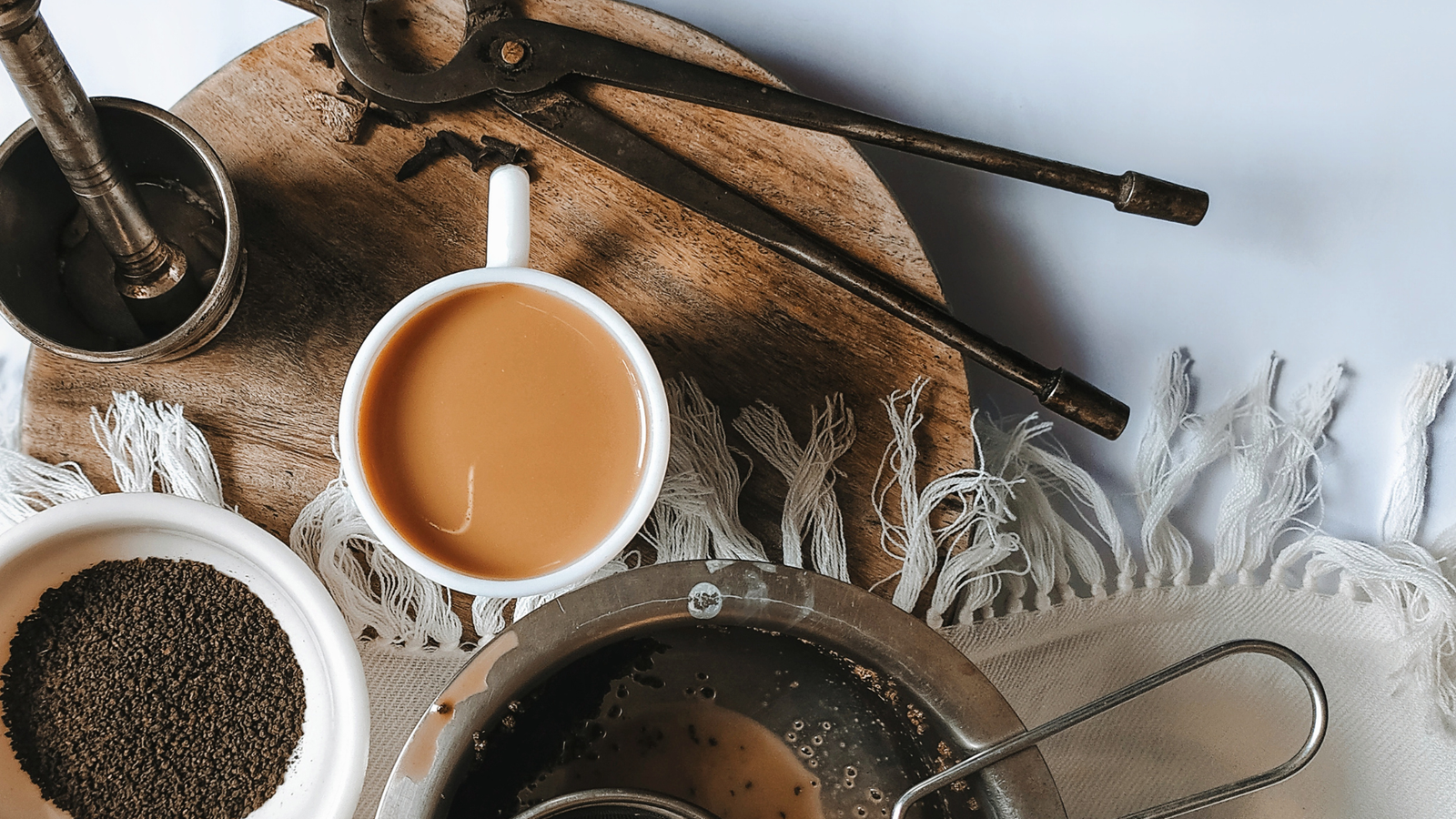
Long before tea became India’s national drink, people prepared herbal brews known as kadha (or kashayam in southern India). These warming infusions combined herbs and spices such as ginger, cloves, black pepper, and cardamom, and were traditionally enjoyed for both comfort and wellness.
Tea itself became widely consumed in India during the British colonial period, when tea producers encouraged local consumption. Indians soon transformed plain black tea by adding milk, sugar, and aromatic spices, creating the rich, flavourful masala chai we know today.
What began as an adaptation became one of India’s most beloved daily traditions.
Every Region Has Its Own Chai
Travel across India and you’ll discover that chai changes from one city to the next.
Mumbai’s Cutting Chai
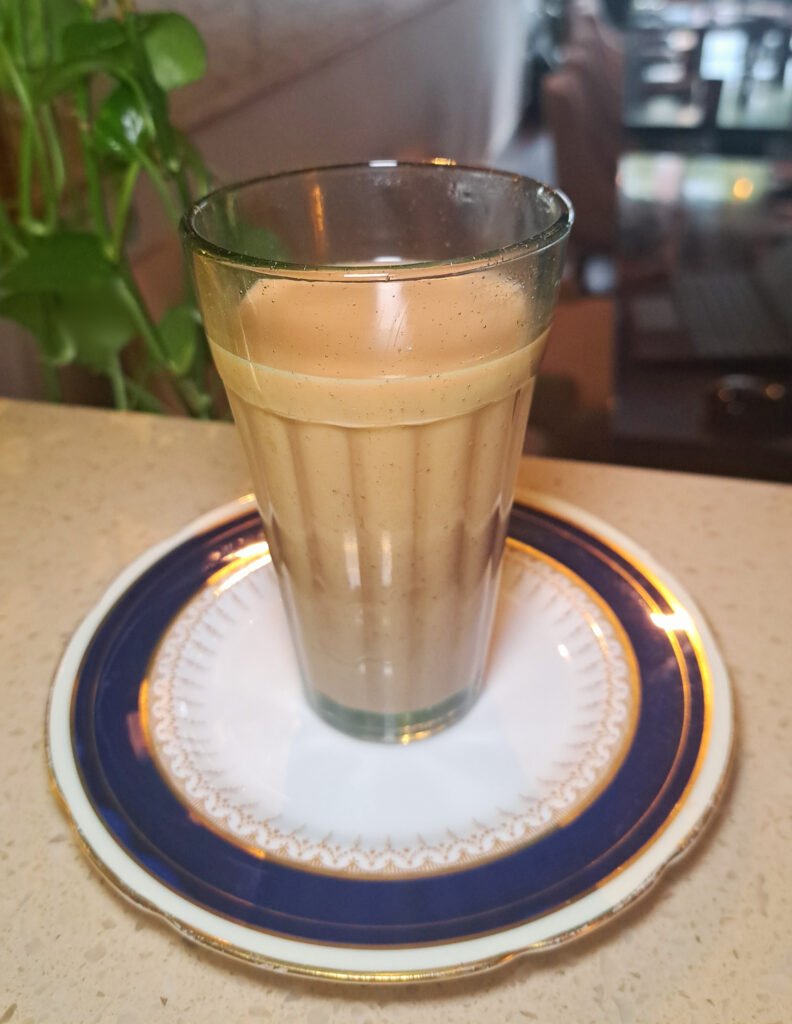
Served in small glasses, “cutting chai” is intentionally smaller than a regular serving, making it perfect for a quick break during a busy day. Rich, sweet, and strong, it’s the fuel of Mumbai’s fast-paced streets.
Irani Café Chai
Found in historic cafés across Mumbai and Hyderabad, Irani chai is creamier, sweeter, and wonderfully smooth. It’s traditionally enjoyed with buttery buns, biscuits, or freshly baked pastries.
Kashmiri Noon Chai
Unlike masala chai, this unique pink tea is prepared with green tea leaves, baking soda, milk, and a touch of salt. It offers an entirely different flavour profile and showcases the incredible diversity of Indian tea traditions.
Ginger Chai
Simple yet timeless, ginger chai is perhaps the most common household version throughout India. Fresh ginger adds warmth and a gentle spice that perfectly balances the richness of milk.
The Secret to Great Masala Chai
Excellent chai isn’t rushed.
Whole spices are gently crushed not ground to release their natural oils before simmering with water. Tea leaves are added at just the right moment, followed by milk and sugar, allowing every ingredient to slowly infuse.
The result is a drink that’s bold without being bitter, creamy without being heavy, and aromatic from the very first sip.
Many experienced chai makers also allow the tea to rise gently as it boils before lowering the heat. A technique that helps deepen both flavour and aroma.
Why Chai Is More Than Just Tea
Ask ten people why they love chai, and you’ll hear ten different answers.
For some, it’s the comforting warmth on a rainy day.
For others, it’s the perfect companion during long conversations with friends.
Many simply enjoy the gentle lift from Assam black tea balanced by the comforting spices of cardamom, cinnamon, ginger, and cloves.
Regardless of the reason, chai has a remarkable ability to encourage people to slow down and savour the moment.
What to Eat With Chai
No chai break feels complete without something to nibble on.
Popular pairings include:
– Vegetable samosas
– Onion or paneer pakoras
– Butter cookies
– Jeera biscuits
– Bun maska (buttered bread)
– Khari puff pastry
– Rusk biscuits
– Freshly baked cake
Sweet or savoury, nearly everything tastes better with a hot cup of chai.